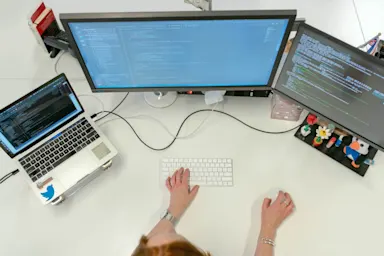
Working from home has become a significant aspect of modern employment. Whether you're a seasoned remote worker or adjusting to a new home office setup, this checklist will help you optimize your productivity and maintain a healthy work-life balance.
Designate a Workspace
Separate Space - Choose a specific area in your home dedicated solely to work. This helps to minimize distractions and establish a work routine
Ergonomics - Ensure your chair, desk, and computer setup are comfortable. Invest in good quality equipment to support posture and prevent strain.
Tech Setup
Reliable Internet - A fast and reliable internet connection is crucial. Consider upgrading your plan or investing in a Wi-Fi extender if necessary.
Necessary Software & Tools - Install all necessary software, including communication tools like Slack or Zoom, and ensure they are up-to-date.
Set Clear Boundaries
Work Hours - Define clear start and end times for your workday to maintain a healthy work-life balance.
Family and House Rules - Communicate your work schedule to other household members to minimize interruptions.
Plan and Prioritize
Daily To-Do List - Start each day with a clear set of goals and tasks. Use tools like Trello or Asana to keep track of your projects.
Breaks - Schedule short breaks to prevent burnout. Techniques like the Pomodoro Technique can be effective in maintaining focus.
Stay Connected
Regular Check-ins - Maintain regular contact with colleagues and managers through emails, messaging apps, and video calls.
Virtual Socializing - Engage in virtual coffee breaks or team lunches to keep the team spirit alive and foster connections.
Maintain Professionalism
Dress Appropriately - Dressing for work, even at home, can put you in the right mindset for productivity.
Online Etiquette - Be mindful of communication styles and online meeting etiquettes.
Health and Wellbeing
Physical Activity - Incorporate physical activity into your day, whether it's a morning jog or a midday yoga session.
Mental Health - Be proactive about your mental health. If you feel overwhelmed, consider talking to a professional or utilizing mental health resources.
Continuous Improvement
Feedback - Seek regular feedback on your work to adjust and improve.
Skill Development - Take advantage of online courses and webinars to continue learning and adapting to new tools and technologies.